
Why Events Deserve a Place in Your Marketing Strategy
When you’re deciding where to spend your marketing budget, what comes to mind first?
Advertising, social media, and search engine optimization are probably on that list. Each helps people find your business and learn what you offer. With a limited budget, it makes sense to focus on the approaches you know.
But how does your strategy give people a chance to get to know your business beyond what they see on a screen?
Meeting your team, trying a product, or asking questions in person can help someone better understand what you offer and whether it is right for them. Events create space for those interactions, giving potential customers a chance to experience the business your marketing has introduced.
Of course, creating that experience takes time and money. Planning, staffing, materials, and participation costs can make events feel difficult to justify, especially when the budget is already committed.
The costs are visible upfront. The value can take more thought to recognize. Alongside the people you reach that day, consider the relationships you could develop, the insight you could gain, and the content you could bring into the rest of your marketing.
Reach People in a Setting That Matters to Them
Getting in front of the right audience is a challenge across every marketing channel. Events offer another way to make that connection through something people have chosen to spend their time doing.
An industry conference brings together people with shared professional interests. A community gathering attracts people connected to a place or cause. A workshop draws people who want to learn or solve a problem.
For a business, that setting provides context. You have an opportunity to connect what you offer with something the audience already cares about.
The fit matters more than the size of the crowd. A smaller event attended by people with a relevant need may offer more useful conversations than a large event where your business has little connection to the experience.
Hosting an event creates a different opportunity. You can bring together customers, prospects, partners, or community members around a topic that matters to them. That gives people a reason to spend time with your business beyond a sales conversation.
In either case, the opportunity is to earn attention through participation. Your business becomes part of an experience people have made time for.
Help People Move From Awareness to Confidence
Being familiar with a business doesn’t always mean someone feels ready to choose it.
They may understand what you offer but still have questions. They may be comparing options, wondering what the process involves, or trying to decide whether your team understands their needs.
Events give those questions somewhere to go.
A demonstration can make a benefit easier to understand. A conversation can address a concern that a general marketing message hasn’t answered. Meeting the people who deliver a service can make the next step feel more approachable.
These interactions are especially useful when an offering is unfamiliar, complex, or involves a significant commitment. People have an opportunity to explore it with someone who can respond to their specific interests.
Existing customers can benefit too. An invitation to learn, participate, or meet the team can renew a relationship and introduce them to another part of your business.
For marketing leaders, this gives events a role beyond generating awareness. They can help people evaluate what they’ve discovered and build the confidence to continue the conversation.
Turn the Experience Into Content for Your Marketing
Businesses need content that helps people understand their expertise, their people, and the value of what they offer. Events bring those elements together in one place.
Your team is answering questions. People are participating in activities. Products and services are being explained or experienced. Partners and customers may be available to share their perspectives.
Those moments give your marketing something specific to work with.
A short interview can explain an issue your audience cares about. Footage of an activity can show how something works. Photos can help people picture themselves attending a future event. Questions that come up throughout the day can reveal topics worth addressing on your website or in an email.
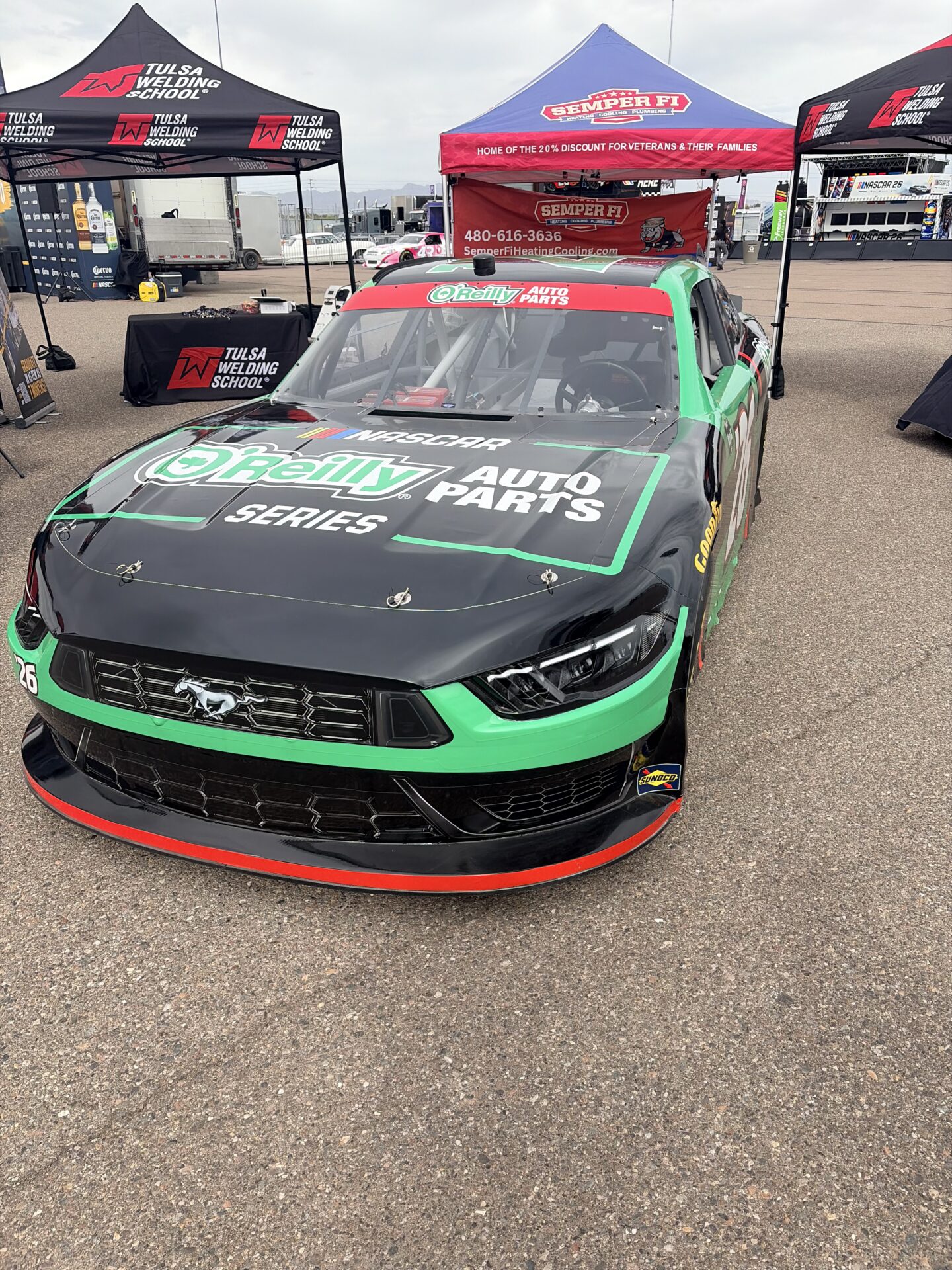
Our recent work helping clients coordinate NASCAR activations and open houses has reinforced the importance of recognizing those opportunities. At NASCAR, the display car gave race fans a reason to stop at the booth, creating an opening to connect with Tulsa Welding School. Capturing an attraction like that helps tell the story of how a business engages people in a setting beyond its own location.
The preparation can tell a story too. Filming the setup gave us material to show how the experience came together, rather than only sharing the finished space.
This is why having a marketing team present matters. Someone needs to recognize which moments could help tell the business’s story and capture them while they’re available. The people managing logistics or speaking with attendees may have little opportunity to do that alongside their other responsibilities.
Content capture does require time and resources. Including it in the investment gives your business more ways to use the experience it is already creating.
Extend the Reach Beyond the People Who Attend
An event has a limited capacity and a fixed window of time. Its audience can be much larger.
Beforehand, promotion introduces what your business is doing and why it matters. An invitation, activity preview, or partner announcement can highlight your expertise and offerings, even to people who won’t attend.
During the event, social updates create an opportunity for immediate participation. They can help attendees find your space, remind nearby followers to stop by, or draw attention to something about to happen.
For people watching from elsewhere, those updates offer a glimpse of your team and business in action. Waiting until afterward means losing the opportunity to invite that immediate response.
After the event, the material you captured can support a wider range of communications. A demonstration can become a video on a service page. An expert’s answer can become an educational post. A useful takeaway can give customers a reason to open your next email.
Each piece should offer something to the audience. A series of useful explanations, perspectives, and stories gives the event a longer marketing life than a single recap.
That broader use is part of the investment’s potential value. You are creating an in-person experience while also developing ways for others to discover and understand your business.
Give the Investment a Clear Business Purpose
These possibilities make events worth considering. Choosing the right opportunity still requires judgement.
Start with the marketing need. A business entering a new market may benefit from an event that introduces its team to local customers and partners. A company with a complex offering may find value in a workshop or demonstration. A business focused on customer retention may have a stronger reason to host an educational or appreciation event.
The audience, format, and level of investment should follow that purpose.
The budget also needs to reflect what it will take to realize the opportunity. Participation fees and materials are part of the cost. Promotion, staffing, content capture, and follow-up may be necessary to make the investment productive.
A clear objective helps you decide what to assess afterward. Attendance tells you how many people came. Relevant inquiries, requested appointments, and subsequent sales conversations help show whether the event generated interest your business can develop.
Content contributes in another way. Assess what you captured, where it was used, and how people responded. Producing useful pieces shows that the event supported your content needs. Engagement and inquiries help you understand what those pieces accomplished.
The questions your team hears can also improve other marketing. If visitors repeatedly misunderstand a service or raise the same concern, that is useful information for your messaging, website, and sales material.
Consider What the Investment Can Make Possible
Events offer businesses a way to earn attention, build confidence, and create material that supports ongoing marketing. Those benefits work together: the experience starts a connection, and the communication around it helps that connection develop.
For businesses that have left events out of the marketing plan, the next budget discussion is an opportunity to reconsider. Where could meeting people firsthand help you reach a relevant audience, explain your value, or strengthen a relationship?
A well-chosen event, supported by an active marketing presence, can contribute far beyond a single day’s attendance.
That is how an event can move your business from reach to relationships, giving people a reason to engage and something meaningful to build on afterward.