
A Good Podcast Starts Before Anyone Hits Record
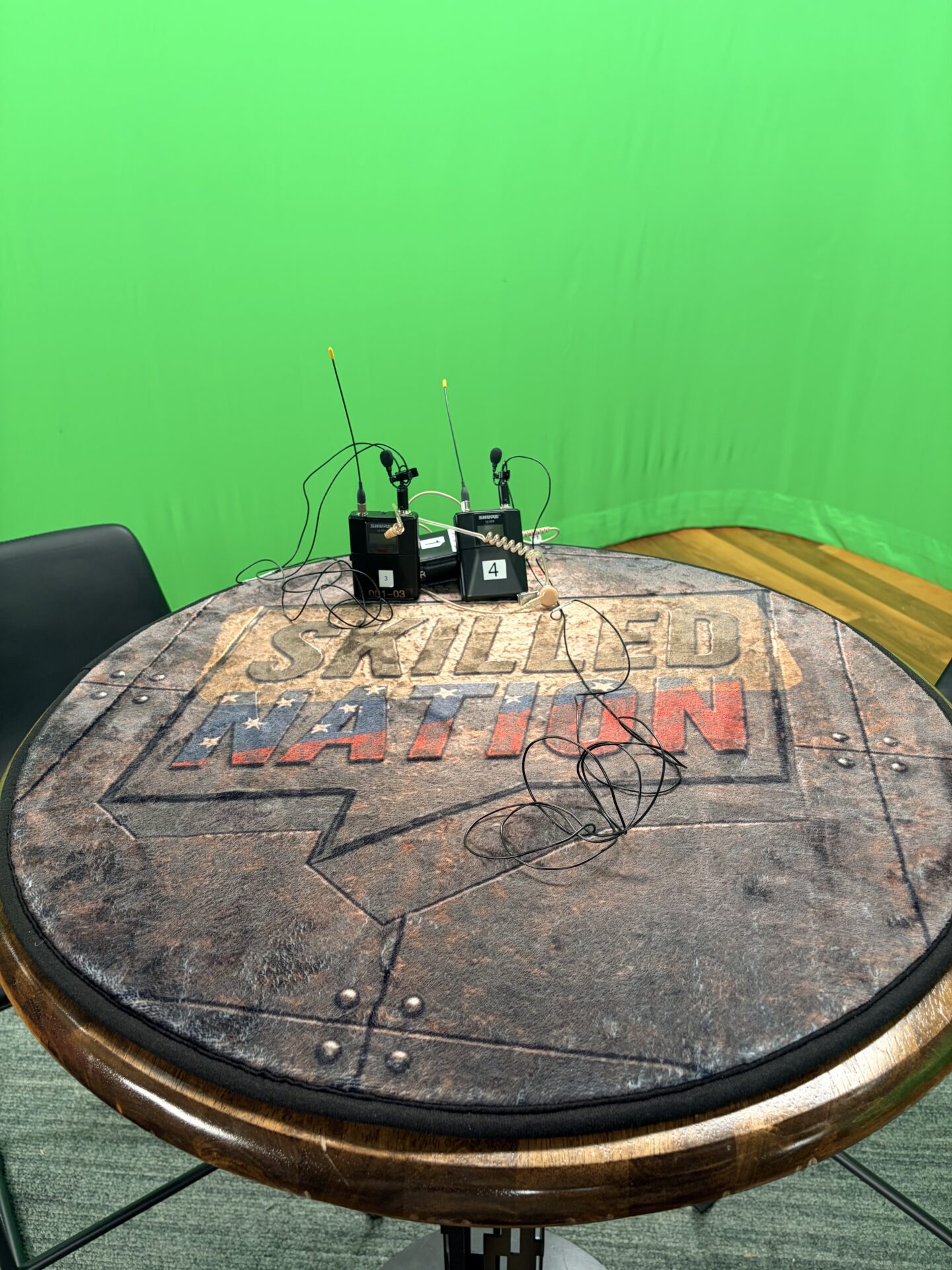
When you listen to a good podcast, what makes you come back for more? Maybe the host asks the questions you have been wondering about. Maybe a guest shares a story that stays with you long after the episode ends.
When the conversation flows naturally, it can seem like a good episode starts with finding an interesting guest and getting them in front of a microphone.
But by the time anyone hits record, many of the decisions that shape that conversation have already been made. The team has considered who the episode is for, what the guest can bring to the topic, and which questions will help draw out their experience.
For a business, that preparation connects the podcast’s purpose with something the audience wants to hear. When the host understands the direction and the guest feels ready, both can give more attention to the conversation itself. That is part of what makes a carefully planned episode feel effortless.
Define What the Episode Is About and Why It Matters
Before selecting a guest or writing interview questions, you need to decide what the episode will explore. What conversation is worth having? Why would your audience spend time listening to it?
Finding a topic starts with understanding what matters to the people you want to reach. Consider the questions they ask, the challenges they face, or the experiences they want to understand better. Those are useful starting points for identifying a subject your organization can explore through its expertise and relationships.
For a business podcast, the topic also needs a clear connection to the purpose of the show. An idea may be interesting, but how does it fit the conversations your audience comes to you for? What can you contribute that will help them understand the subject more clearly or hear a perspective they might otherwise miss?
From there, define the focus of the episode. A subject like careers in healthcare offers plenty to discuss, but deciding to explore a student’s first clinical rotation gives the team something concrete to build around. It identifies the experience the conversation will examine and the questions listeners may want answered.
That clarity guides the decisions that follow, from where you focus your research to the questions you develop. It also helps you identify a guest whose experience can bring depth and perspective to the subject.
Choose a Guest Who Can Bring the Topic to Life
A guest’s professional background only tells part of the story. What have they experienced firsthand? Are there specific stories or examples they can share that will help listeners better understand the subject?
For an episode about a student’s first clinical rotation, an experienced nurse could explain what students should expect and how to prepare. A current student or recent graduate could speak to the nerves, surprises, and lessons from going through it themselves. Both could be valuable guests, but each would shape a different conversation. The choice depends on what you want the episode to help listeners understand.
Research helps you assess that fit. Looking into a potential guest’s work, background, and previous interviews can reveal where their experience connects with the topic. An initial conversation can take that further, giving you a chance to hear the stories they might share and identify areas worth exploring.
It is also an opportunity to understand how comfortable they feel discussing the subject. Someone who has never appeared on a podcast may have a compelling perspective but need more guidance before recording. Recognizing that early helps you plan the preparation they need to feel ready.
Develop Questions That Give the Conversation Direction
With a topic and guest selected, the next step is turning what you have learned into a plan for the discussion. Identify the experiences worth exploring and the questions that will help the guest share them.
How that preparation takes shape depends on the host and the format of the show. Some hosts work comfortably with a question outline, while others benefit from more detailed prompts or scripted transitions. An episode may use both, with introductions and closing remarks written in advance and questions guiding the interview. The goal is to give the host enough support to lead the discussion confidently while allowing room for natural conversation.
Start with what listeners should understand by the end of the episode, then consider what you need to ask to get there. Which questions provide necessary background? Where would a specific example help? What parts of the guest’s experience deserve more time?
The wording matters. Asking a guest what they enjoy about their career may lead to a general answer. Asking them to describe a moment that reminds them why they enjoy the work invites a specific story. Follow-up questions can draw out what happened, how they responded, and what the experience meant to them.
The order of those questions also shapes the listening experience. Opening with an accessible question can help the guest settle into the conversation and give the audience context. From there, the discussion can move into more detailed experiences and ideas, with each question building on what has already been shared.
Even with a carefully planned sequence, the host needs room to follow the conversation as it unfolds. A guest may introduce something worth pursuing that the team could not have anticipated. A prepared host understands the topic well enough to recognize that opportunity, ask a thoughtful follow-up, and connect the discussion back to the episode’s purpose.
Plan the Recording Around the People and the Production
With the conversation taking shape, the team needs to coordinate how the recording will happen. Scheduling means accounting for the guest’s availability, the host’s time, and the people and resources needed to produce the episode.
Whether the guest joins in person or virtually affects those arrangements. An in-person interview requires a suitable space and time to get everyone settled, check microphones, and prepare camera shots if video is being captured. A virtual interview requires clear instructions about joining the session, along with checks for the guest’s internet connection, microphone, lighting, and surroundings.
Guests should also know what to expect before recording day. Sharing the discussion areas, expected time commitment, and an overview of the process gives them an opportunity to prepare and ask questions. Encourage them to think of relevant experiences or examples they might want to share. Having those moments in mind can help them feel ready without needing to rehearse every answer.
The production team needs a shared plan, too. Who will check the sound and video? Who will guide the guest through setup? How will the host know everyone is ready? Allowing time for those steps helps prevent the interview from starting in a rush.
These details affect the conversation itself. When the guest feels settled, the host knows what to expect, and the team has checked the equipment, everyone can give more attention to what is being said.
Give the Conversation a Strong Start
Listeners may never see the research, guest conversations, question development, or coordination that goes into an episode. But they experience the result in the questions that draw them in, the stories that hold their attention, and the ease with which the discussion unfolds.
A good podcast starts taking shape well before recording day. Choosing a meaningful topic, preparing the host and guest, and coordinating the production give the conversation a strong foundation. By the time anyone hits record, the team knows what it wants to explore and why that conversation is worth the listener’s time.